

A SourceGuardian decoder can help you inspect supported protected PHP classes when their editable source is unavailable. The file may contain a plugin helper, a payment integration, or a service that another part of your application calls. Reconstructing its PHP can make the methods and their relationships easier to review.
The practical goal is to understand what the class does and how it fits into the application. This guide explains how to choose a useful sample, review the recovered structure, and move from a limited preview to complete supported files.
Start with the free SourceGuardian decoder preview. Use your actual file to see whether the result is useful for your maintenance task.
What does a SourceGuardian decoder return for a PHP class?
SourceGuardian protects PHP by compiling source into bytecode and applying encryption, as described on its official product page. Opening a protected file in an editor therefore does not normally show the original class body.
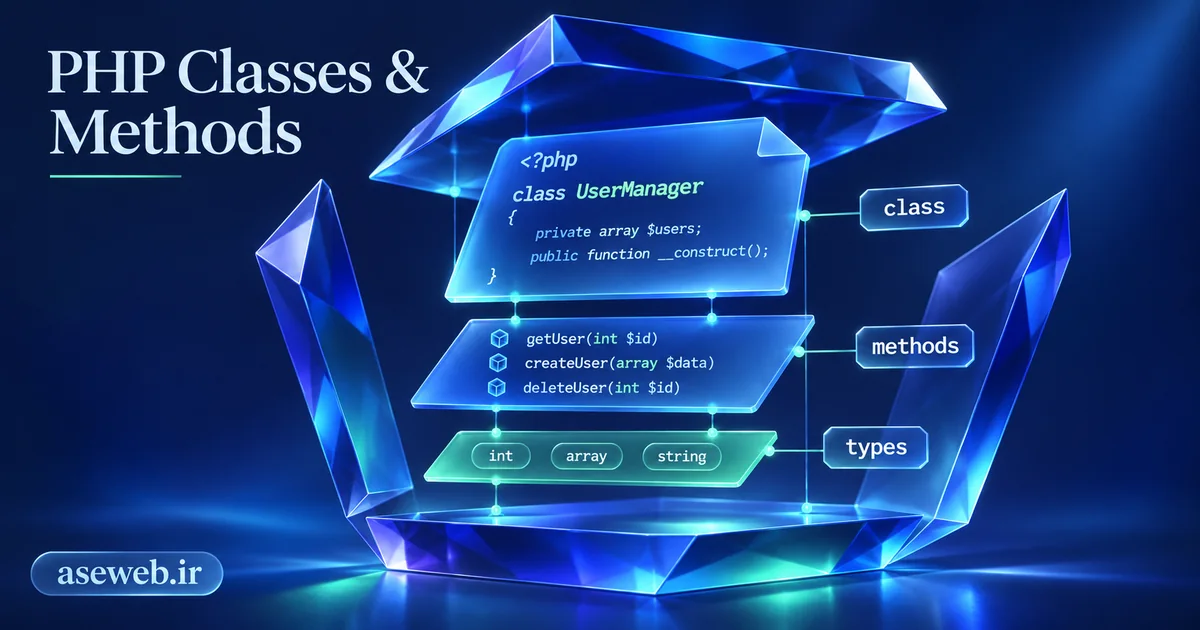
AseWeb reconstructs readable PHP from supported files. Depending on the information available, that output can include class declarations, properties, methods, parameter types, return types, and the logic within method bodies. It gives you source to inspect rather than the HTML that the application would display when executed.
Reconstruction is not a guarantee of identical original text. Layout, comments, and symbol spelling depend on the information retained in the protected file. If identifiers were obfuscated, a recovered listing may still contain those obfuscated names. The useful question is whether you can follow the code and validate its behavior.
Choose a sample that contains the logic you need
Start with a class involved in the feature you want to maintain. For example, a service class that prepares an API request may reveal more useful behavior than a small loader wrapper. Keep its original contents and filename intact when uploading.
One PHP file can contain several methods or related declarations. A short preview may show a constructor or the beginning of the class without reaching the particular method you need. That is a limit of the preview length; it does not mean the file contains no other code.
Make sure the format matches your selection. If you have an ionCube file, use the ionCube decoder. The SourceGuardian identification guide can help you choose the right starting point when the file is unfamiliar.
Review the recovered class in four useful passes
Once the complete supported file is available, review it in a deliberate order. Looking at the structure first makes it easier to understand the individual methods without losing their application context.
- Declarations: identify the namespace, class name, parent class, and any implemented interfaces. Check that referenced application classes are available.
- Properties and initialization: review default values, constructor parameters, and assignments. These often show what data or services the object expects.
- Method signatures: inspect parameter order, visibility, optional values, and return types where present. Compare them with the code that calls the class.
- Method behavior: follow conditions, loops, return values, and calls into other services. Focus first on the method relevant to your task.
A PHP class that handles orders, for example, may depend on framework hooks, a database abstraction, and configuration supplied elsewhere. Recovering the class makes that logic visible, while testing the complete application checks whether those dependencies work together.
Keep related files and project paths together
If your class relies on helpers or other protected classes, consider recovering the related PHP together in a ZIP. Preserving relative paths helps you connect declarations to their callers and compare recovered output with your existing project.
Project archives can contain both protected and readable PHP. Review the individual file results to see which files were decoded, which remained unchanged, and which need attention. The mixed-archive guide explains this workflow in more detail.
Include relevant code, but leave production secrets and unrelated customer data out of the archive. If a result reports an external dependency or key requirement, supply the appropriate material you actually have instead of assuming that a different file extension or repeated upload will resolve it.
Move from the preview to complete class files
The public SourceGuardian preview shows up to 15 formatted lines or 1,500 characters. Use it to check a representative file before choosing full recovery. It is intentionally shorter than a complete class listing.
For complete supported output, sign in and select a credit pack or unlimited subscription. With credits, one PHP file uses one credit; a class with many methods is still one file. A ZIP containing several PHP files counts each file separately. An active subscription provides full access for supported decodes during its term, subject to upload limits.
Use Decode history to preview the full recovered source and download available results. Archive results have expandable file lists, and requests still processing can offer downloads of files already ready. Save the output before the expiry shown in history; files are retained for seven days.
Before using recovered classes in a live application, check syntax with a suitable PHP runtime and test the affected features in a separate project copy. Review integration behavior, expected return values, and error handling. Keeping the original files makes comparison and rollback easier.
Questions about SourceGuardian class recovery
Does a class with many methods cost more than one file credit?
A single PHP file uses one credit when paying per file. The number of classes or methods inside that file does not turn it into several uploaded files.
Can I see the entire class in the free preview?
The preview is limited to 15 formatted lines or 1,500 characters. Complete supported results are available through full recovery.
Will all original comments and names be restored?
They can be represented only where the required information remains available. Reconstructed formatting and names may differ from the original source.